Celiac disease is a condition where the body’s immune system abnormally reacts to gluten. The only treatment for celiac disease therefore is a gluten-free diet. A gluten-free diet can help your gut heal and feel better over time.
There are hundreds of gluten-free products available in the grocery store these days, which is great news for the gluten-free community. However, it is important to consider how gluten-free foods are made. Research has shown that many gluten-free processed foods are high in saturated fats and low in micronutrients and fiber. Fiber is especially important for digestion, as it helps your intestines move smoothly and can feed the health-promoting bacteria that live in your gut. When fiber intake is low, people may experience symptoms like bloating or constipation.
The good news is research has demonstrated that people with celiac disease can build a healthy gluten-free diet by implementing Mediterranean Diet-style habits. The Mediterranean Diet is an eating pattern that focuses on whole foods including vegetables, fruits, nuts, seeds, healthy oils, and fish. As a whole, the diet is linked to better heart and metabolic health.
Here are some things you can do:
- Eat more fruits and vegetables – aim for at least one per meal.
- Tip: Eat different colored fruits and vegetables to get different nutrients. Frozen vegetables also work great.
- Use olive oil as your main cooking fat or dressing.
- Eat fish or seafood twice per week.
- Add nuts, beans, lentils to meals, including soups, salads, and pasta dishes.
- Tip: there are even some pastas made from beans/legumes!
- Choose more gluten-free whole grains; examples include quinoa and brown rice.
Adopting the Mediterranean Diet can understandably feel like a lot of changes. The goods news is that even small changes can have a positive effect on your health. For example, you can start by adding a fruit or vegetable to your meals or using olive oil instead of butter. The goal is to help you feel more energized and strong by feeding your body with the nutrients it needs.
Here’s a sample meal plan to help you get started:
Day 1
- Breakfast: Buckwheat Almond Waffles
- Lunch: Lemon-Herb White Bean & Quinoa Power Bowl
- Snack: Garlic Parmesan Herb Dippers
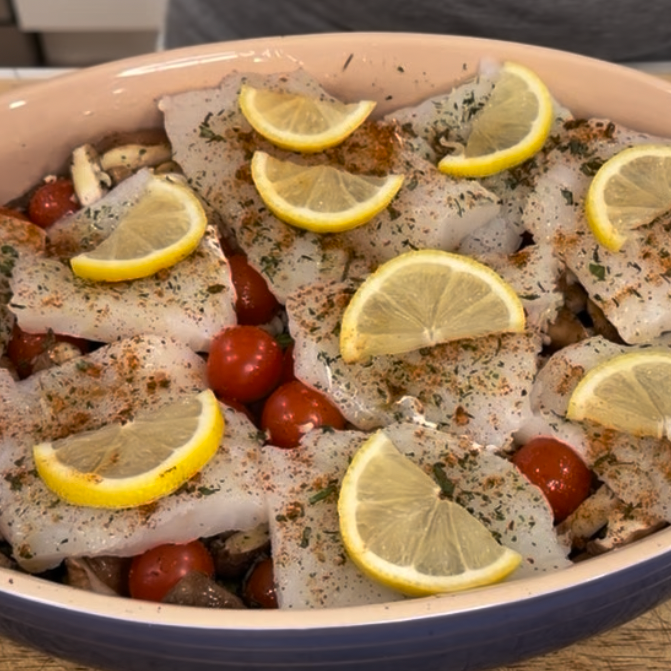
- Dinner: Mediterranean Baked Cod with Lemon, Garlic & Asparagus
Day 2
- Breakfast: Riced Cauliflower Oatmeal
- Lunch: Green Pea Soup (Recommended: add with a side of grilled salmon or fish)
- Snack: Beet and Flax Hummus
- Dinner: Sorghum Stuffed Bell Peppers
Day 3
- Breakfast: Greek Yogurt Bowl with Fresh Fruits & Nuts (walnuts, almonds, optional chia seeds)
- Lunch: Mimi’s Chicken Noodle Soup
- Snack: Quick and Easy Bruschetta (Tip: add nuts like toasted almonds)
- Dinner: Salmon Chickpea Sheet Pan
Day 4
- Breakfast: Veggie omelette cooked with olive oil, adding colorful vegetables (tomato, spinach, bell pepper, optional avocado and cheese)
- Lunch: Quinoa Black Bean Salad
- Snack: Creamy Avocado Hummus
- Dinner: Sheet Pan Steak Tips and Veggies with Lemony Garlic Breadcrumbs