Written by Anne Lee, EdD, RDN, LD
A gluten-free diet is the treatment for celiac disease but often the standard gluten free diet does not provide enough iron. Iron is a very important nutrient for normal brain, muscle, and organ function. Iron deficiency anemia is when your body does not have enough iron to make the protein (hemoglobin) for your red blood cells. Hemoglobin carries the oxygen that your organs and muscle tissues need to function properly. A low hemoglobin level in your blood is called iron deficiency anemia. Symptoms often include unexplained fatigue, brain fog, muscle weakness, light headiness and dizziness, brittle hair and nails, or even cold hands and feet.
Often people with celiac disease have low iron levels before their diagnosis because the damaged intestinal lining decreases the iron absorption. This decreased absorption affects over 10% of the newly diagnosed people. Good news is that once a gluten-free diet is started the intestines will heal and you will be able to absorb the various nutrients from your food. However, a standard gluten free diet is often based on rice, potato, and other starches which have lower levels of natural iron compared to gluten containing grains and products. An important fun fact is that iron is found in both animal sources (called heme iron) and plant sources (called non-heme) iron. So even if iron rich grains are no longer part of your gluten-free diet we can make sure to include several sources of iron in your daily intake.
Heme iron comes from animal sources, such as meat, fish, and poultry. It is the form of iron that is most readily absorbed by the body.
| Meat | Fish | Poultry |
| Beef Lamb Ham Veal Pork Dried beef Beef liver Liverwurst | Shrimp Clams Scallops Oysters Tuna Sardines Haddock Mackerel | Turkey Chicken Chicken liver Eggs |
Try to include at least one to two servings per day of foods rich in heme iron.
Non-heme iron is found in plant-based foods, such as fruits, vegetables, beans and nuts. Foods with non-heme iron are still an important part of a nutritious, well-balanced diet, but the iron contained in these foods won’t be absorbed as completely. You can increase the amount of iron absorbed from non-heme sources by adding foods rich in vitamin C to the meal or dish. Check out the great recipes at the bottom of the page.
| Vegetables | Gluten-free Bread & Cereals | Fruit | Beans & Nuts |
| Spinach Sweet potatoes Peas / dried peas Broccoli String beans Beet greens Dandelion greens Collards Kale Chard Tomatoes | Enriched rice Oats Amaranth Teff Enriched cornmeal Quinoa Cream of rice | Strawberries Watermelon Raisins Dates Figs Prunes Dried apricots Dried peaches | Tofu Beans & dried beans (kidney, garbanzo, white) Lentils Almonds Cashews Peanut butter Pistachios Pumpkin seeds Sunflower seeds |
Delicious and iron rich dishes can include a beef and broccoli stir fry, spinach salad with strawberries, or a quinoa bowl with cashews and tomatoes. Just to add some additional (and yummy!) sources of iron try adding some molasses and dark chocolate to your usual baking and not only will you have a tasty treat – but a very nutritious one as well.
A few recipes to try:
Spice up your meals with flavor, texture, and if you like even a hint of spice with this Quinoa Black Bean Salad
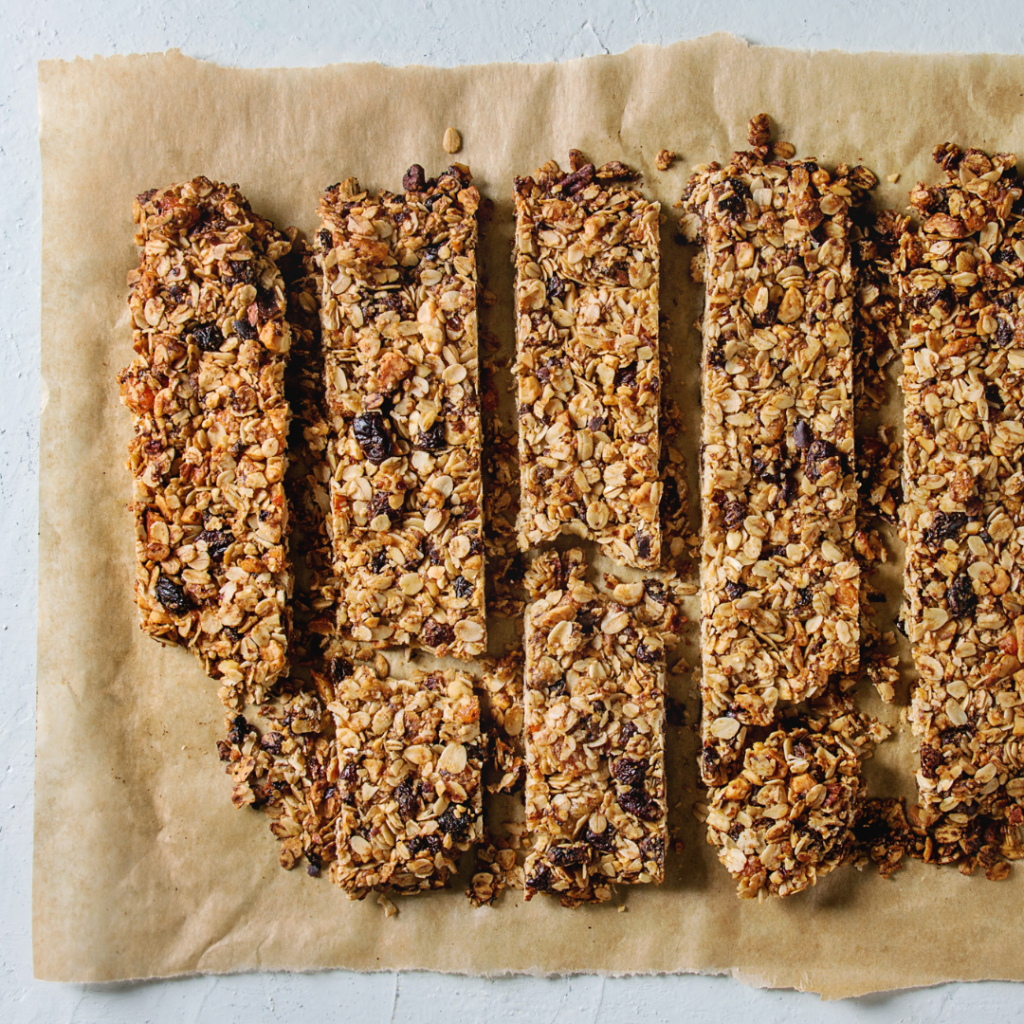
Full of crunch, natural sweetness, and perfectly customizable based on your favorite dried fruit and nuts, this Seed Bar will make a great mid-day sweet treat or packed lunch box snack for any gluten-free adult or kid in your life!